Solving smile problems with veneers and bonding in San Francisco
Despite the impression you may get from TV, movies, and internet, few people have naturally flawless smiles. Often, the secret to Hollywood brilliance and symmetry is veneers and dental bonding. Residents of the San Francisco area can get the same star treatments at West Portal Family Dentistry.
Veneers
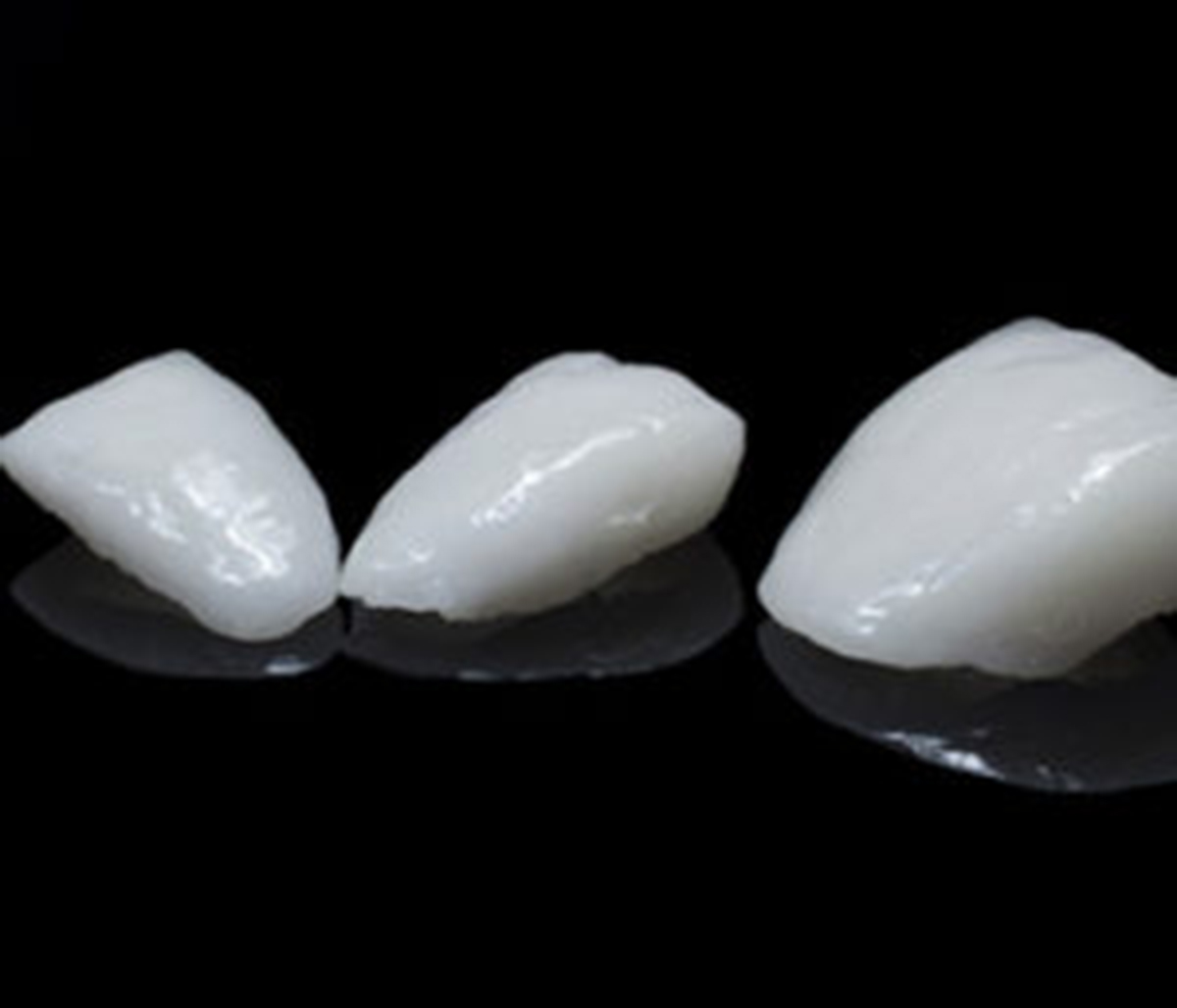
Veneers are thin shells of resin or porcelain. They are cemented to the fronts of “smile teeth” to hide imperfections in size, shape, color, or alignment.
Dr. Nguyen and Dr. Huynh take extra steps to ensure that their veneers accomplish exactly what the patient desires:
- A clean “canvas” – The dentist makes sure your mouth is free of tooth decay and gum disease before proceeding with veneers.
- Planning – Photographs and impressions of your mouth are taken. They are used to create a model that gives you a good idea of how your new smile will look.
- Restorative stage – Teeth are prepped by removing a small amount of surface enamel. New impressions are taken, and a fresh mock up is created, this time with temporary veneers, for a trial fitting. You have the opportunity to request final adjustments.
- Smile perfection! – You return in about ten working days to have your final veneers cemented into place and polished. The dentist provides home care instructions to help your veneers last many years.
Dr. Nguyen and Dr. Huynh believe that your oral health and the beauty of your smile are too important to rush. They take these correct steps to ensure your satisfaction.
Dental bonding
Bonding is an economical alternative to dental veneers. It is a good choice when one tooth or a few need minor improvement in appearance. This tooth-colored resin material can be used to close gaps, mask discoloration, hide chips and cracks, and alter the size or shape of a tooth.
Veneers & Bonding FAQs
What are porcelain veneers? How do they work?
Porcelain veneers are thin, custom-made “shells” uniquely designed to cover the front surface of your teeth. They are crafted from durable, tooth-colored ceramic and are bonded to your teeth to improve overall appearance. Veneers are often used to fix issues like discoloration, chips, gaps, or uneven shapes, providing a stunning, natural-looking smile. The process involves a few steps, including a consultation, preparation of your teeth, taking impressions, and finally bonding the veneers in place.
How is composite resin bonding different from veneers?
Composite resin bonding is considered a more conservative technique that involves applying a tooth-colored resin material directly onto the surfaces of the teeth. It fixes similar issues like discoloration, cracks, or minor misalignments. Unlike veneers, which require a custom fitting and some removal of enamel, composite bonding is minimally invasive and is completed in a single visit. However, bonding is generally less durable and less stain-resistant than porcelain veneers.
Which option is more affordable: porcelain veneers or composite bonding?
Composite resin bonding typically costs less than porcelain veneers, making it a great budget-friendly solution for cosmetic enhancements to the smile. Porcelain veneers, while more expensive upfront, offer long-term durability and a more polished, natural look. The right choice depends on your goals, priorities, and budget, so a consultation with our team is best.
How long do veneers and bonding last?
Porcelain veneers often last 10 – 15 years or longer with proper attention and care, while composite resin bonding usually lasts 5 – 10 years. The longevity of both treatments largely depends on lifestyle habits, oral hygiene, and regular dental check-ups. Avoiding habits like biting on hard objects or using the teeth as tools can also extend the life of your treatment.
Are veneers or bonding better for stained teeth?
Both options assist with stained teeth, but the choice depends on the severity of the staining. Porcelain veneers are an excellent choice for deep, internal stains that professional and over-the-counter teeth whitening services cannot address, as they completely cover the original tooth underneath. Composite bonding addresses mild to moderate stains, but it may be more prone to discoloration over time when compared to veneers.
Do these treatments hurt?
Both porcelain veneers and composite bonding are minimally invasive and virtually pain-free! For porcelain veneers, your dentist at West Portal Family Dentistry may remove a small amount of enamel, but this is usually done under local anesthetic to keep you comfortable. Composite bonding typically does not require anesthesia unless it is being used to fill cavities or for significant restoration.
Where in San Francisco, California, can I find out if I am right for the veneers or bonding?
Both porcelain veneers and composite resin dental bonding are fantastic options for transforming your smile. Our team at West Portal Family Dentistry may suggest one or the other (or even both!) for your smile's needs. Schedule an upcoming appointment at our San Francisco, California area practice by calling (415) 604-9292 to request a visit.